







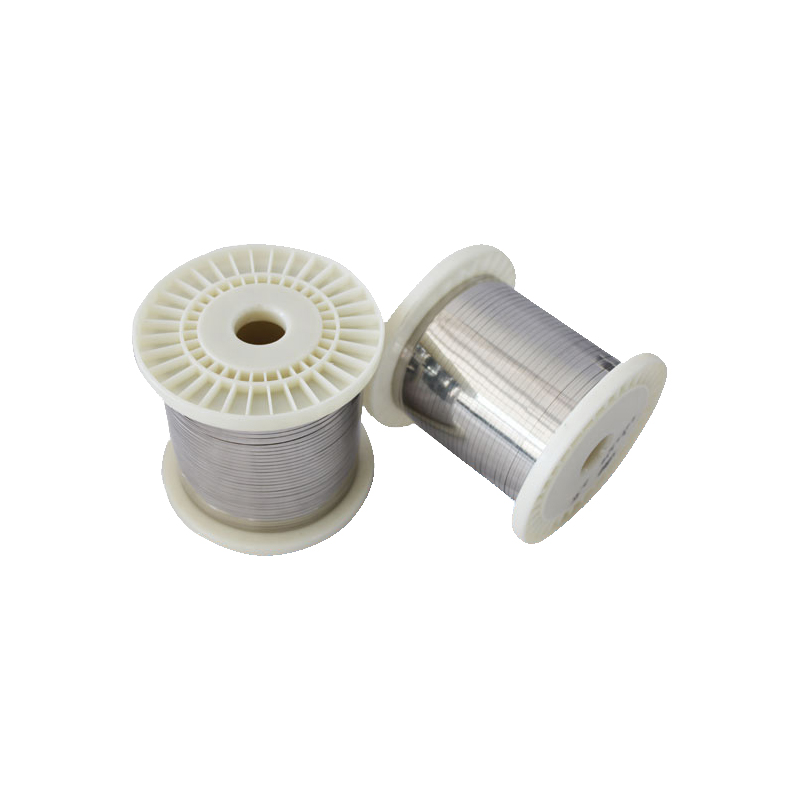
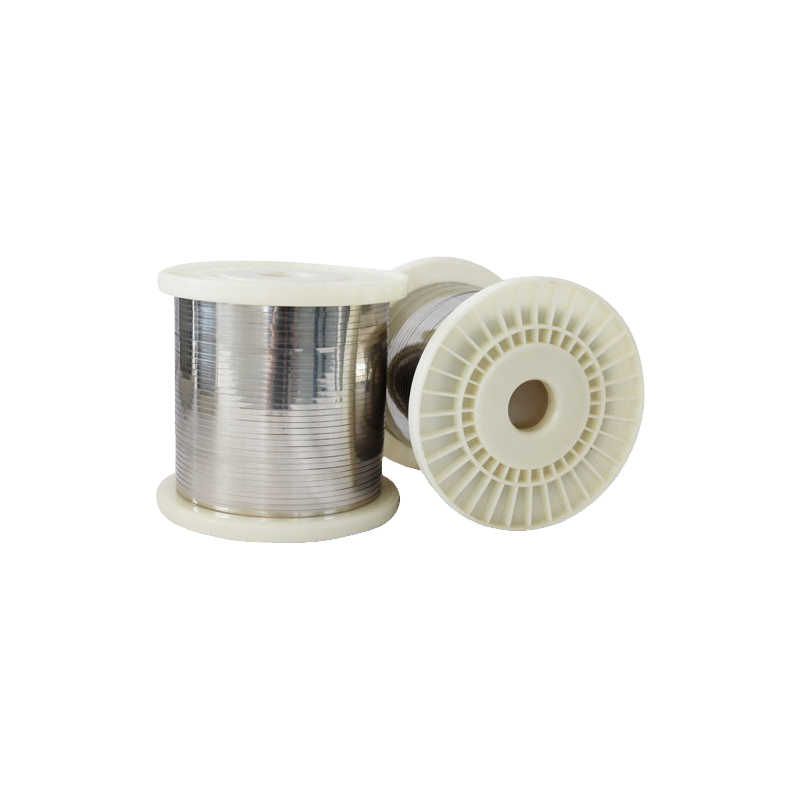
Fil résistif chauffant X20h80 (NiCr80/20)
| Composition chimique et propriétés : | ||||
| Propriétés/Qualité | NiCr 80/20 | NiCr 70/30 | NiCr 60/15 | |
| Composition chimique principale (%) | Ni | Bal. | Bal. | 55,0-61,0 |
| Cr | 20.0-23.0 | 28,0-31,0 | 15.0-18.0 | |
| Fe | ≤ 1,0 | ≤ 1,0 | Bal. | |
| Température de fonctionnement maximale (ºC) | 1200 | 1250 | 1150 | |
| Résistivité à 20ºC (μ Ω · m) | 1.09 | 1.18 | 1.12 | |
| Densité (g/cm3) | 8.4 | 8.1 | 8.2 | |
| Conductivité thermique (KJ/m·h·°C) | 60,3 | 45.2 | 45.2 | |
| Coefficient de dilatation thermique (α × 10-6/ºC) | 18 | 17 | 17 | |
| Point de fusion (ºC) | 1400 | 1380 | 1390 | |
| Élongation(%) | > 20 | > 20 | > 20 | |
| Structure micrographique | austénite | austénite | austénite | |
| Propriété magnétique | non magnétique | non magnétique | non magnétique | |
| Propriétés/Qualité | NiCr 35/20 | NiCr 30/20 | Karma | Évanohm | |
| Produits chimiques principaux Composition(%) | Ni | 34,0-37,0 | 30,0-34,0 | Bal | Bal |
| Cr | 18.0-21.0 | 18.0-21.0 | 19,0-21,5 | 19,0-21,5 | |
| Fe | Bal. | Bal. | 2.0-3.0 | - | |
| Température de fonctionnement maximale (ºC) | 1100 | 1100 | 300 | 1400 | |
| Résistivité à 20 °C (μ Ω · m) | 1.04 | 1.04 | 1,33 | 1,33 | |
| Densité (g/cm3) | 7.9 | 7.9 | 8.1 | 8.1 | |
| Conductivité thermique (KJ/m· h· °C) | 43,8 | 43,8 | 46 | 46 | |
| Coefficient thermique Dilatation (α × 10-6/ºC) | 19 | 19 | - | - | |
| Point de fusion (ºC) | 1390 | 1390 | 1400 | 1400 | |
| Élongation(%) | > 20 | > 20 | 10-20 | 10-20 | |
| Structure micrographique | austénite | austénite | austénite | austénite | |
| Propriété magnétique | non magnétique | non magnétique | non magnétique | non magnétique | |
| Composition chimique | Nickel 80 %, Chrome 20 % |
| Condition | Blanc brillant/blanc acide/couleur oxydée |
| Diamètre | 0,018 mm à 1,6 mm en bobine, 1,5 mm à 8 mm de remplissage en spirale, 8 à 60 mm en tige |
| Fil rond de nichrome | Diamètre 0,018 mm à 10 mm |
| Ruban de nichrome | Largeur 5 à 0,5 mm, épaisseur 0,01 à 2 mm |
| Bande de nichrome | Largeur : 450 mm à 1 mm, épaisseur : 0,001 mm à 7 mm |
| Diamètre | Bobinage de 1,5 à 8 mm, tige de 8 à 60 mm |
| Grade | Ni80Cr20, Ni70/30, Ni60Cr15, Ni60Cr23, Ni35Cr20Fe, Ni30Cr20 Ni80, Ni70, Ni60, Ni40, |
| Avantage | La structure métallurgique du nichrome leur confère une très bonne plasticité à froid. |
| Caractéristiques | Performances stables ; Antioxydation ; Résistance à la corrosion ; Stabilité à haute température ; Excellente aptitude au bobinage ; État de surface uniforme et impeccable, sans taches. |
| Usage | Éléments chauffants à résistance ; Matériaux en métallurgie Appareils ménagers ; Fabrication mécanique et d'autres secteurs. |
| Fils résistifs | ||
| RW30 | W.Nr 1.4864 | Nickel 37 %, Chrome 18 %, Fer 45 % |
| RW41 | UNS N07041 | Nickel 50 %, Chrome 19 %, Cobalt 11 %, Molybdène 10 %, Titane 3 % |
| RW45 | W.Nr 2.0842 | Nickel 45 %, Cuivre 55 % |
| RW60 | W.Nr 2.4867 | Nickel 60 %, Chrome 16 %, Fer 24 % |
| RW60 | UNS NO6004 | Nickel 60 %, Chrome 16 %, Fer 24 % |
| RW80 | W.Nr 2.4869 | Nickel 80 %, Chrome 20 % |
| RW80 | UNS NO6003 | Nickel 80 %, Chrome 20 % |
| RW125 | W.Nr 1.4725 | Fer (composants restants), chrome 19 %, aluminium 3 % |
| RW145 | W.Nr 1.4767 | Fer (en vrac), chrome 20 %, aluminium 5 % |
| RW155 | Fer (LAL), chrome 27 %, aluminium 7 %, molybdène 2 % | |



Écrivez votre message ici et envoyez-le-nous
Catégories de produits
-
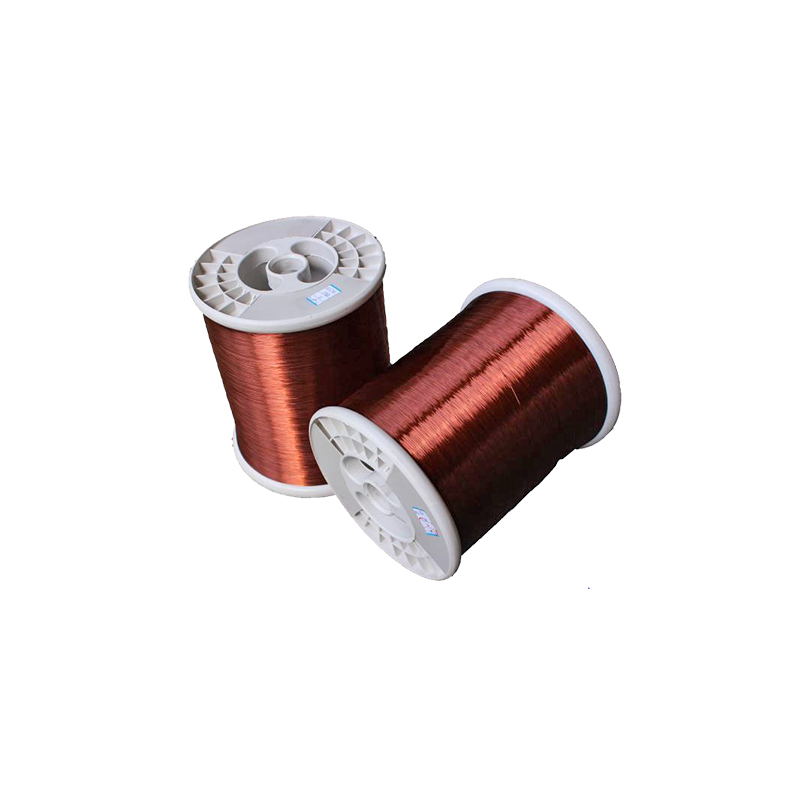
Alliage NICR émaillé NiCr20AlSi/nichrome de 0,08 mm...
-
Fil d'alliage Ni95Al5 pour projection thermique 75B en DIN3...
-

Tankii offre spéciale TM-1/FPA223-80/5J1480 bimétall...
-

Fil d'alliage Incoloy 020 (20CB-3) – ASTM B4...
-

Fabrication de haute pureté 99,6% Ni200 Ni201 Ni212 ...
-

Sonde thermocouple de type K 2×0,35 mm, 1 m en fibre de verre...
-

E-mail
-

WhatsApp